INTRODUCTION
Walk into any electronics store today and you’ll notice something: more and more devices are using USB-C.
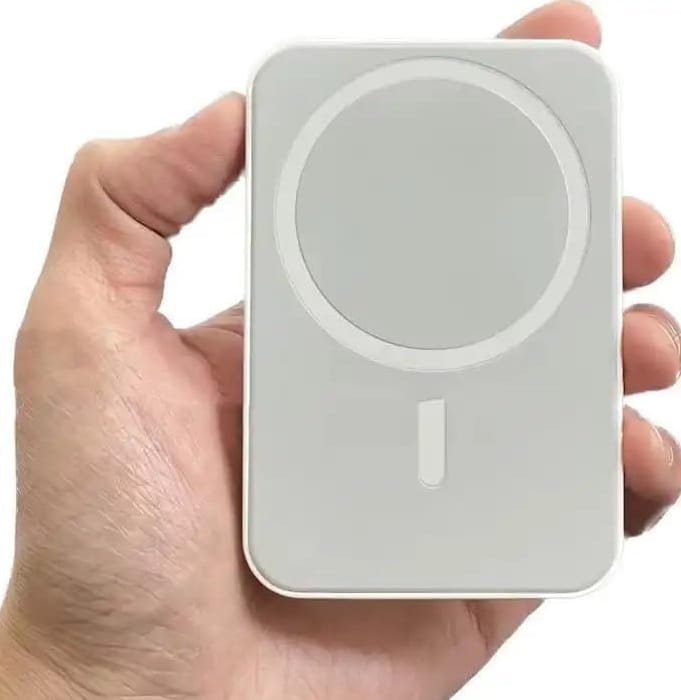
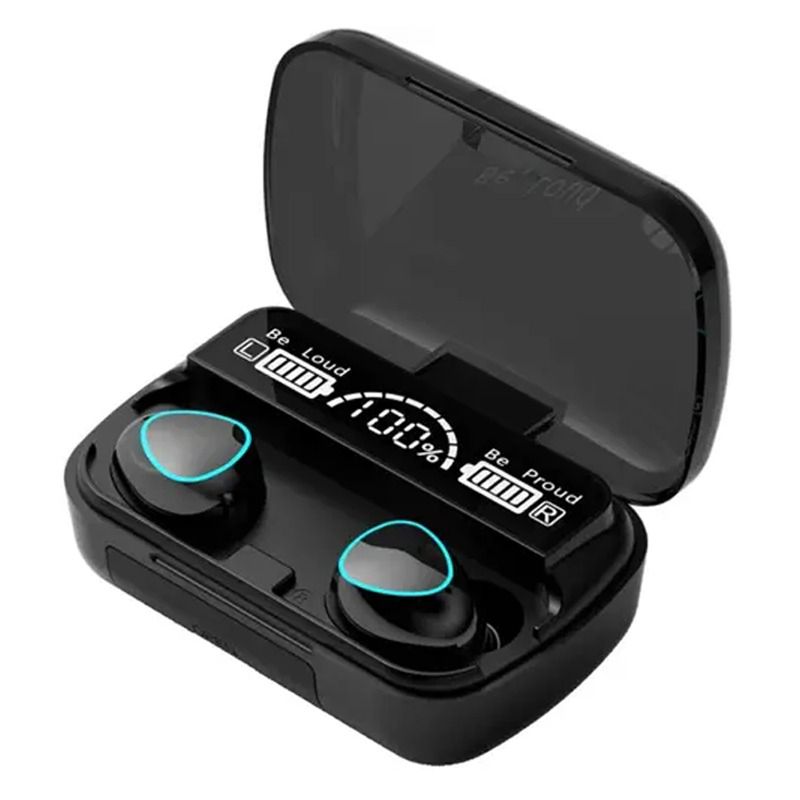
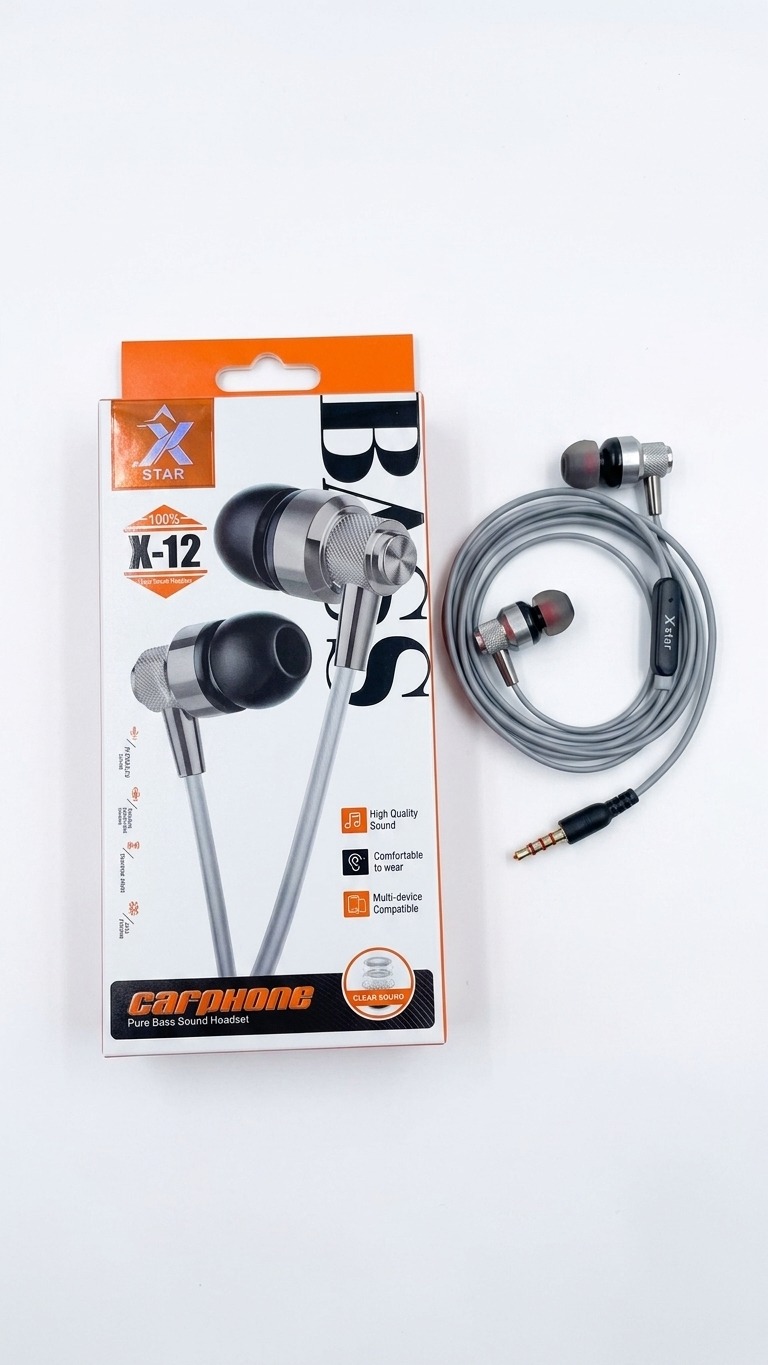
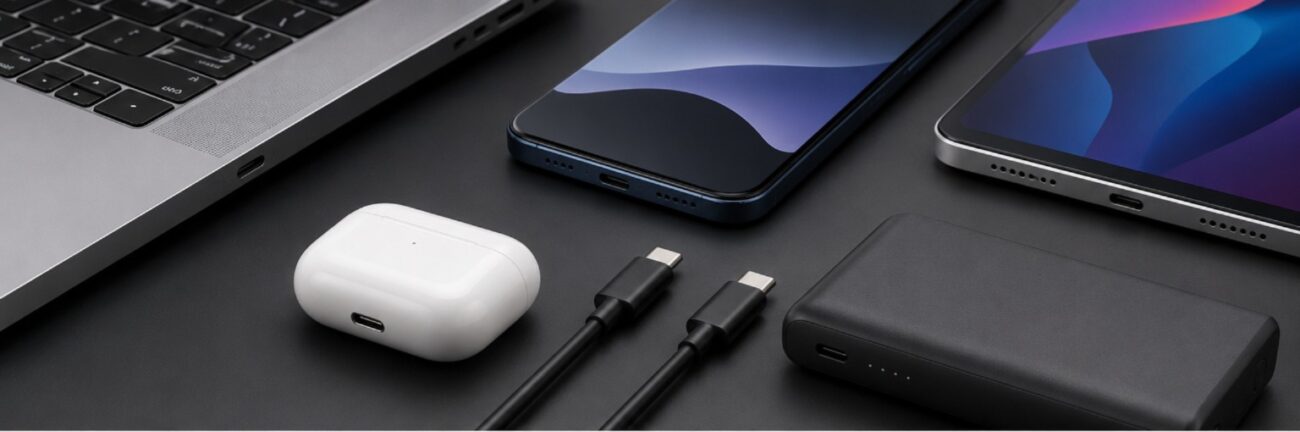
Phones, laptops, tablets, headphones, gaming accessories, power banks, and other electronics are increasingly moving toward the same connector. This shift is making it easier to connect and charge different devices without needing a completely different cable for every product.
But USB-C is about more than simply having a smaller charging port.

One Connector, Many Uses
One of the biggest advantages of USB-C is its versatility.
Depending on the device and its specifications, USB-C can be used for charging, data transfer, audio, video, and connecting peripherals.
That means the same type of connector can appear on completely different products, from a smartphone to a laptop.
However, it’s important to remember that not every USB-C port offers the same capabilities. Two devices may use the same connector while supporting different charging speeds, data-transfer rates, or display functions.
USB-C Is Changing the Way We Carry Tech
Older electronics often required several different cables and adapters. A person might have one cable for a phone, another for a tablet, and another for a computer accessory.
USB-C is helping simplify that setup.
For people who carry several electronic devices, having compatible USB-C accessories can mean fewer cables in a bag and a more organized workspace.
Faster Doesn’t Always Mean Better
It’s easy to assume that every USB-C accessory will provide the same performance. That’s not the case.
Charging speed depends on factors such as the charger, cable, device, and supported charging technology.
The same applies to data transfer. A USB-C cable may physically fit a device while offering different capabilities from another USB-C cable.
This is why checking the specifications of both the device and accessory is important before purchasing.
What About USB-C Cables?
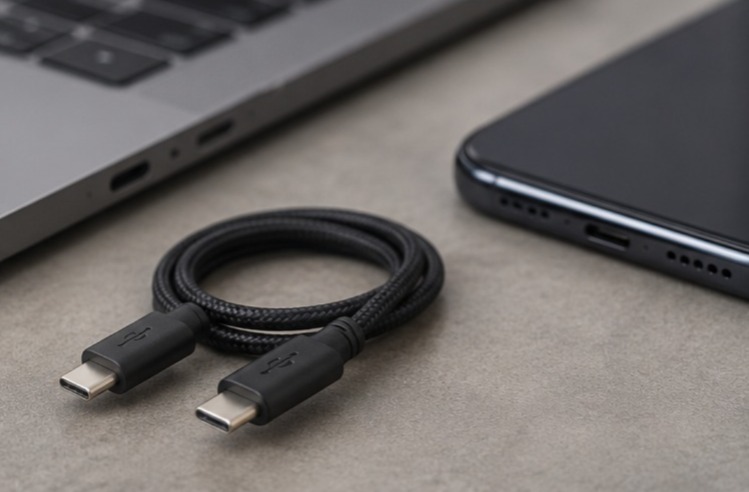
Not all USB-C cables are identical.
Some are designed primarily for charging, while others support higher data-transfer speeds or additional functions. Cable length, construction, supported power delivery, and compatibility can also vary.
When buying a USB-C cable, don’t choose one based only on the shape of the connector. Check what your device actually supports.
The Bigger Picture
The move toward USB-C is part of a broader trend in consumer electronics: greater compatibility and fewer proprietary connections.
As more devices adopt common standards, consumers can potentially reuse compatible accessories across multiple products instead of starting from scratch with every new device.
That makes the technology ecosystem simpler—and potentially much more convenient.
Final Takeaway
USB-C may look like a simple change in connector design, but its growing presence across modern electronics represents a much bigger shift.
Whether you’re buying a new smartphone, laptop, power bank, headphones, or other tech accessory, understanding what the USB-C connection actually supports can help you make better purchasing decisions.
The connector may be the same, but the capabilities behind it can be very different.